
- Fri June 19, 2026|
 Alwasat FM|

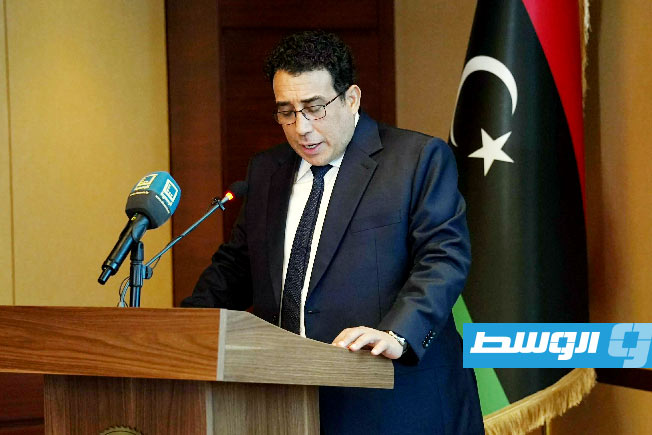
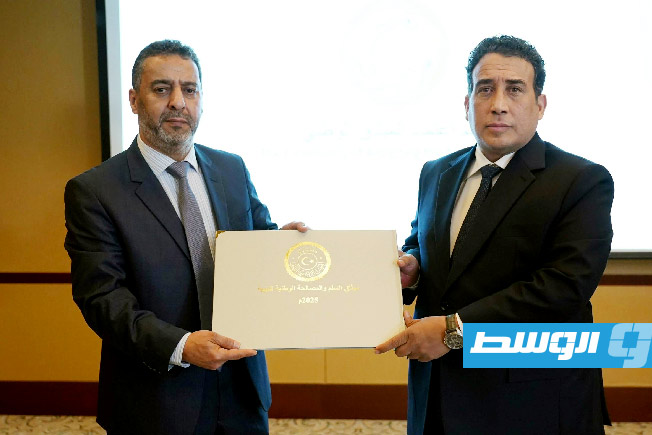
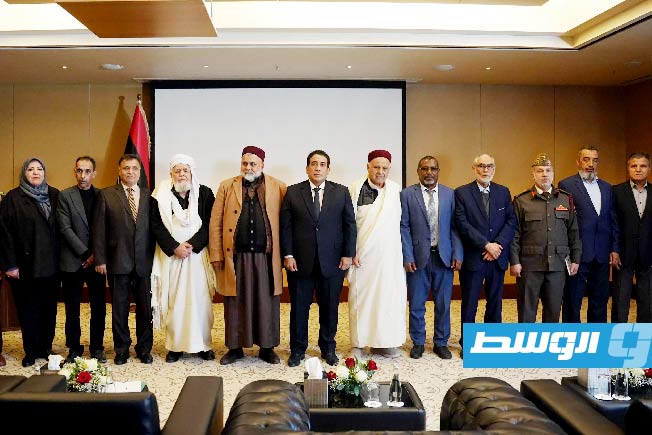
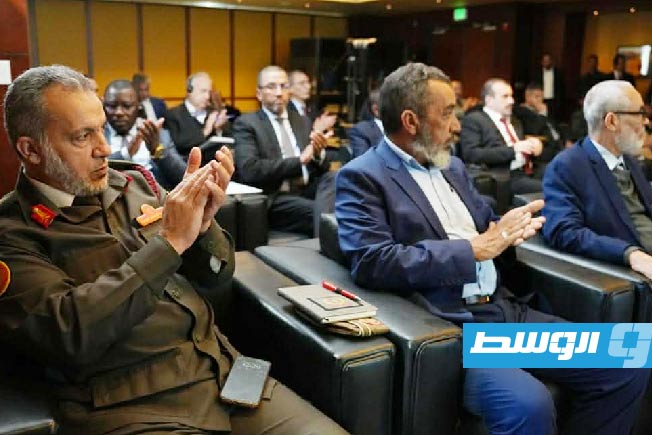
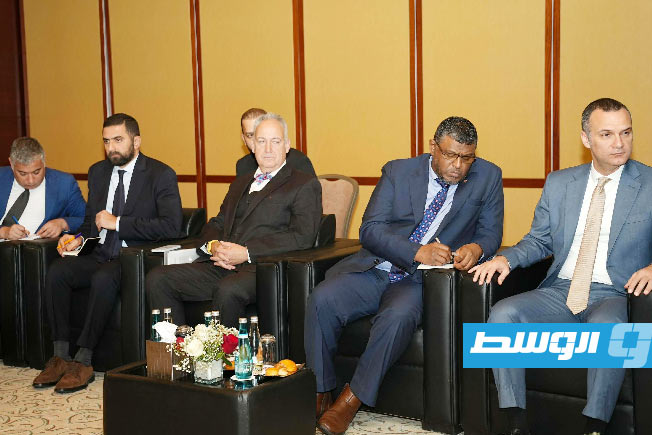
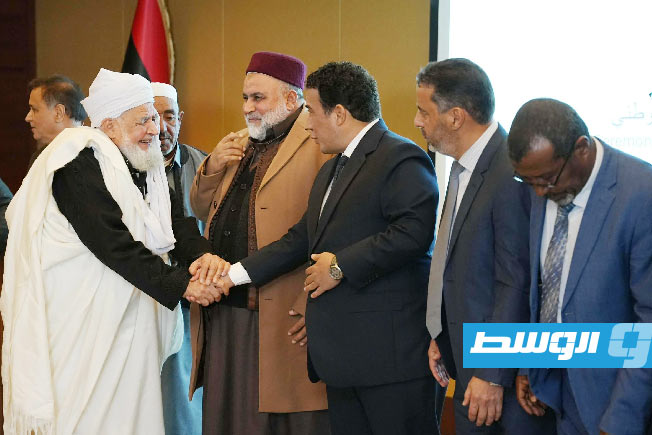
The head of the Presidential Council, Mohamed Menfi, approved the National Charter for National Reconciliation on Wednesday in Tripoli, in the presence of members of the High Council for Peace and National Reconciliation and representatives of diplomatic missions accredited to Libya.
During his opening speech, Menfi announced that this charter “represents the fruit of sincere national efforts and a collective will that believes Libya can only achieve stability and progress through reconciliation, dialogue, tolerance, and putting the interests of the nation above all else,” according to the Presidential Council's media office.
A new phase for implementing the reconciliation charter
He added that the signing of this charter “does not represent the end of this process, but rather the beginning of a new phase, which requires all of us to continue to work hard and responsibly to implement the charter and translate its principles and provisions into practical reality that citizens can feel in their daily lives.”
In his speech, he also announced his blessing and support for the High Council for National Reconciliation, established in accordance with the provisions of the Charter for Peace and Reconciliation, affirming its pivotal role in monitoring and supervising the implementation of its provisions and accompanying the process of national reconciliation to ensure its continuity, thereby achieving the goals of social peace and justice, redressing grievances, and strengthening trust among the citizens of the same country.
Menfi designates January 7 as National Day for Peace and Reconciliation
Menfi concluded his speech by announcing the adoption of the Supreme Council for Peace and National Reconciliation's decision to designate January 7 of each year as National Peace and Reconciliation Day, emphasizing that reconciliation “is not a temporary political option, but rather an imperative religious and national duty, a strategic choice, and a historical responsibility towards our homeland and future generations.”




Comments