
- Wed July 22, 2026|
 Alwasat FM|
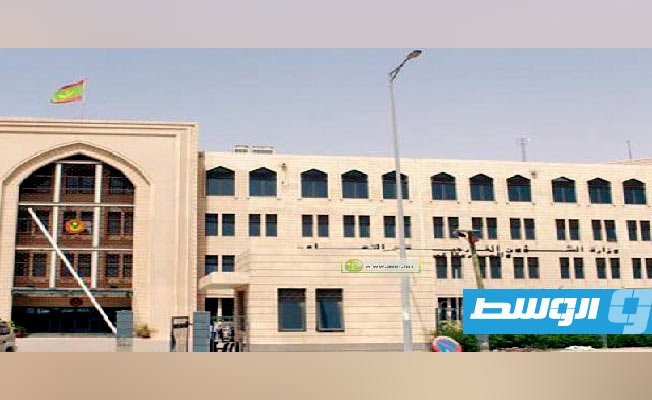
Mauritania joined the list of Maghreb countries welcoming the decision to appoint Abdoulaye Bathily as the Special Representative of the Secretary-General, appealing to "all Libyan parties to cooperate fully with him."
In a statement carried by Mauritania's official news agency, the Ministry of Foreign Affairs expressed its satisfaction with the appointment, congratulating Bathily on this well-deserved trust and wishing him success in his "dignified mission in the service of the Libyan people."
The ministry urged all Libyan parties to "give priority to dialogue as the only way to ease tensions, overcome current obstacles, and preserve the higher interests of the Libyan people."
Secretary-General Antonio Guterres announced the appointment Friday of former Senegalese minister and U.N. diplomat Abdoulaye Bathily to be the new U.N. envoy to Libya after the Security Council gave its approval, ending a nine-month search amid increasing chaos in the oil-rich north African nation.
Libya’s Government of National Unity, which opposed Bathily’s nomination, reportedly sent a protest letter to Guterres, which raises questions about how effective the new envoy can be in trying to resolve the country’s political and economic crisis.
The last U.N. special representative, Jan Kubis, resigned Nov. 23, 2021, after 10 months on the job, and a number of candidates proposed by Guterres were rejected by council members, Libya or neighboring countries.
In December, Guterres appointed veteran American diplomat Stephanie Williams, a former U.N. deputy special representative in Libya, as his special adviser — a job that did not require council approval.
She left at the end of July. So, the mission has had no leader as Libyans grapple with a constitutional and political crisis.
The county has for years been split between rival administrations, each backed by rogue militias and foreign governments.
U.N. political chief Rosemary DiCarlo warned Tuesday that failure to resolve Libya’s political crisis and hold delayed elections poses a growing threat in the country, pointing to recent violent clashes that killed at least 42 people and injured 159 others, according to Libyan authorities.
The current stalemate grew out of the failure to hold elections in December and the refusal of Prime Minister Abdulhamid Dabaiba, who led the transitional government, to step down. In response, the country’s east-based parliament appointed a rival prime minister, Fathy Bashagha, who has for months sought to install his government in Tripoli.
Guterres said Bathily brings 40 years of experience to the job of special representative and head of Libya’s U.N. political mission.
He held various ministerial positions in Senegal, taught history for more than 30 years at the Universite Cheikh Anta Diop in the country, held senior U.N. positions including in Mali and Central Africa, and served as the independent expert for the strategic review of the Libya mission in 2021.
Bathily has doctorates from Universite Cheikh Anta Diop and the University of Birmingham in the United Kingdom and is fluent in English, French, Soninke and Wolof.



Comments